ICBS 2025
Keynote Speaker
The ICBS 2025 Keynote Speaker session brings together a distinguished thought leader to share insights, innovations, and strategic perspectives that align with the conference’s central theme of advancing sustainability through research, collaboration, and impact-driven solutions
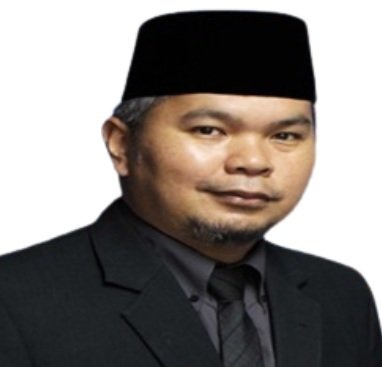
Dr. Awang Haji Hambali Jaili Bin Haji Awang Jalil
Director of Centre of the Promotion Knowledge and Language
Universiti Islam Sultan Sharif Ali, Brunei
Title: Integrating Maqāṣid al-Sharīʿah and Sustainable Development Goals (SDGs): UNISSA’s InitiativesMaqāṣid al-Sharīʿah (the higher objectives of Islamic law) provide a comprehensive ethical foundation for sustainability, aligning directly with the framework of the Sustainable Development Goals (SDGs). The maqāṣid emphasize the protection of dīn (faith), nafs (life), ʿaql (intellect), nasl (lineage/community), māl (wealth/resources), and bi'ah (environment), which parallel SDG priorities such as justice, health, education, poverty eradication, and environmental stewardship. Anchored in Qur'ānic principles and prophetic traditions, sustainability is not a foreign construct but deeply rooted in Islam through stewardship (khilāfah), balance (mīzān), justice (ʿadl), and the prevention of harm (lā ḍarar). Universiti Islam Sultan Sharif Ali (UNISSA) demonstrates this integration by embedding sustainability across its curriculum, promoting research and knowledge transfer, enhancing co-curricular and student life, and advancing campus-community initiatives. By situating the SDGs within an Islamic legal-ethical framework, UNISSA underscores sustainability as a faith-driven obligation, positioning itself as a model institution that harmonizes global development goals with Sharīʿah principles for societal well-being and environmental preservation.
Biography: Dr. Hambali Jaili is the Director of the Centre for the Promotion of Knowledge and Language at Universiti Islam Sultan Sharif Ali (UNISSA), Brunei Darussalam. He began his career as a Religious Education Officer in 2002 before serving at Kolej Universiti Perguruan Ugama Seri Begawan KUPU SB (2010–2018) in various leadership roles, including Deputy Dean of the Faculty of Usuluddin, Dean of Students, and Director of the Language Centre. Since joining UNISSA in 2018, he has held several senior positions, among them Director of the Centre for Public and International Relations and Assistant Rector (International and Research). An active scholar and speaker, Dr. Hambali is frequently invited as a keynote speaker, facilitator, and panelist at conferences and seminars in Brunei and abroad, including Qatar, Malaysia, Indonesia, and Thailand. His contributions span both academic and community engagement, with involvement in humanitarian and educational projects such as Hamlah Khairiyah and the long-running Back to School: Infaq for Orphans initiative in Brunei, Malaysia, Indonesia and Cambodia.
INTERNATIONAL CONFERENCE ON BORNEO SUSTAINABILITY 2025: ADVANCING SCIENCE, ARTS, AND HEALTH FOR A RESILIENT FUTURE (ICBS 2025)